


EMERSA
Alberto Scodro
Biennale Arte 2026
61° Esposizione Internazionale d’Arte
Venezia 09.05 — 22.11.2026
OLIVARI PARTNER OF THE VENICE PAVILION AT THE BIENNALE
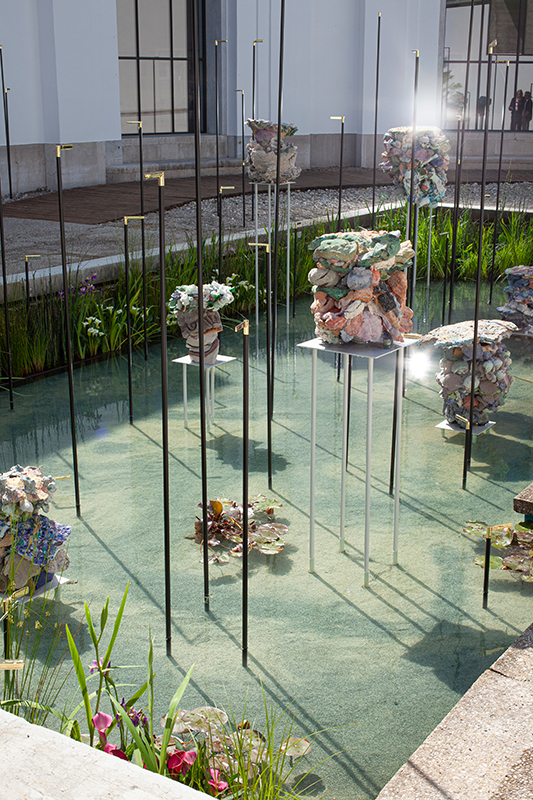
On the occasion of Biennale Arte 2026, Olivari has been invited to take part in Emersasommersa, the installation created by Alberto Scodro for the Venice Pavilion, as part of the wider project Note Persistenti, curated by Giovanna Zabotti with the participation of Denis Isaia and Cesare Biasini Selvaggi. Through the dialogue with the artist, the handle transcends its functional dimension to become a symbol of passage, relationship and discovery: the act of opening becomes a metaphor for access to new worlds, cultures and visions. The installation thus creates a dialogue between art and design, where the gesture of opening is transformed into an experience of connection, transformation and knowledge.
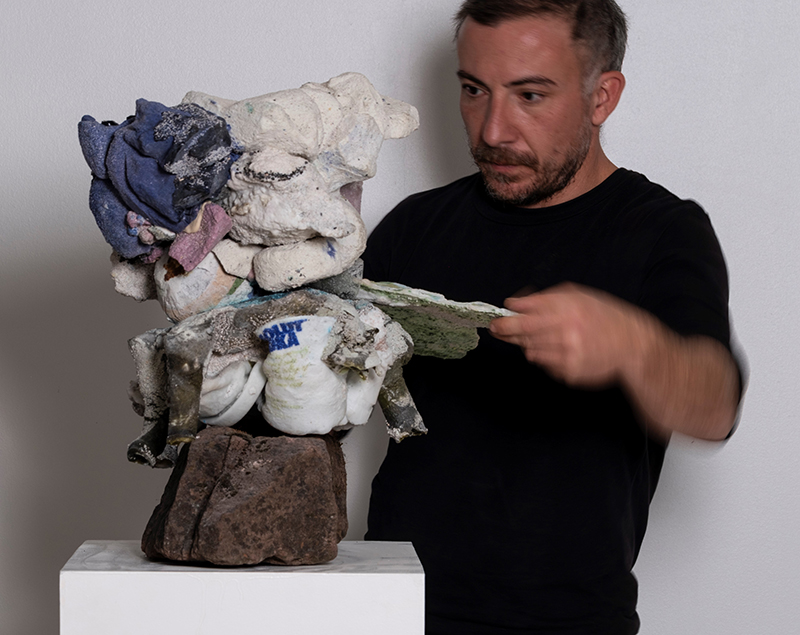
Alberto Scodro (Marostica, 1984) lives and works in Nove. After an initial training as a restorer, he graduated in Visual and Performing Arts at IUAV University of Venice and further developed his practice through international residency programmes in Venice, Helsinki, Liège, Portorož and Luxembourg. His research moves between sculpture, installation and site-specific interventions, exploring the relationship between space, matter and processes of transformation. The works originate from fusions, sedimentations and aggregations of heterogeneous materials — sands, glass, metals, enamels and pigments — giving shape to structures suspended between natural and artificial dimensions. Within Scodro’s practice, matter never appears fixed or definitive, but rather as a living organism crossed by time, energy and continuous possibilities of transformation.
NOTE PERSISTENTI
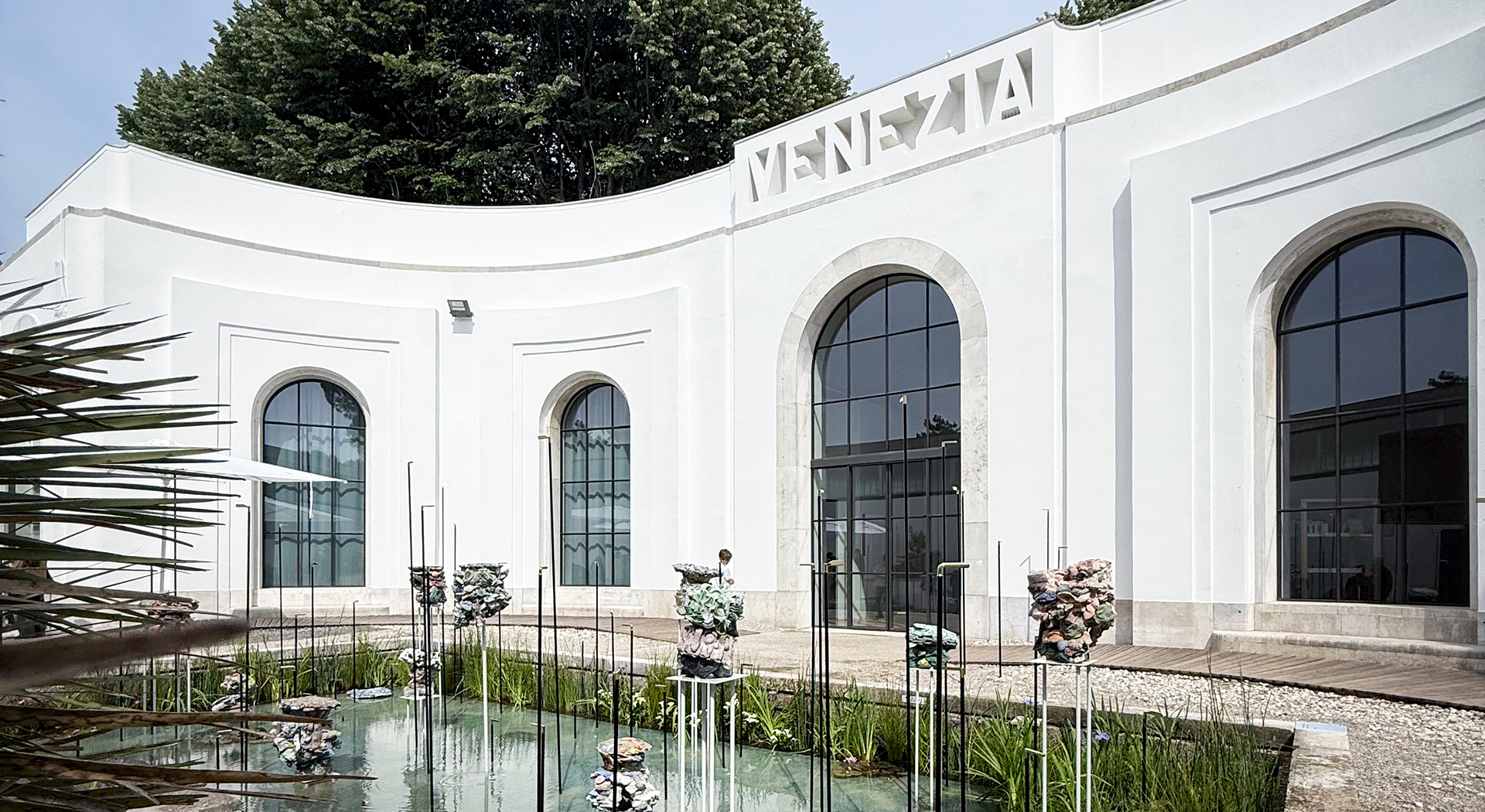
On the occasion of the 61st International Art Exhibition of La Biennale di Venezia, the Venice Pavilion presents Note Persistenti, a curatorial project by Giovanna Zabotti with the participation of Denis Isaia and Cesare Biasini Selvaggi. In dialogue with In Minor Keys, the theme of Biennale Arte 2026 conceived by Koyo Kouoh, the exhibition invites visitors to listen to the city’s deepest frequencies: those emerging from its foundations, from the memories of its inhabitants, from transformations of matter and from the invisible relationships that run through Venice. The Pavilion unfolds as a sequence of environments dedicated to different symbolic dimensions of the city, submerged, domestic, mythological and collective, transforming Venice into a landscape shaped by stratifications, presences and persistent traces. It is within this submerged dimension that Alberto Scodro’s project takes shape, through a reflection on matter, time and what normally remains hidden beneath the surface.
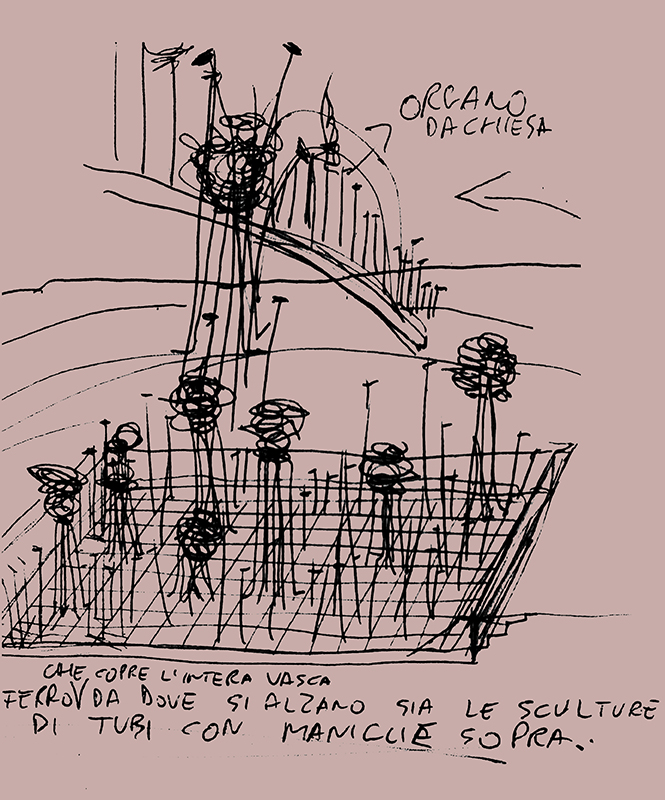
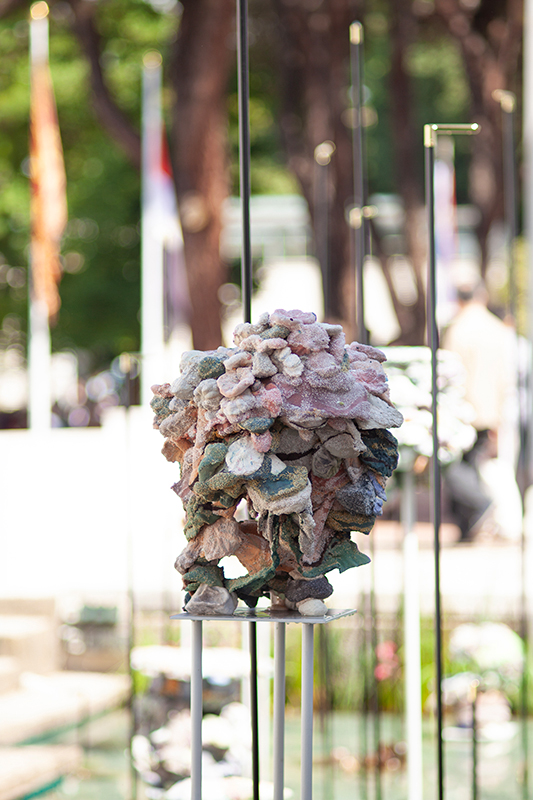
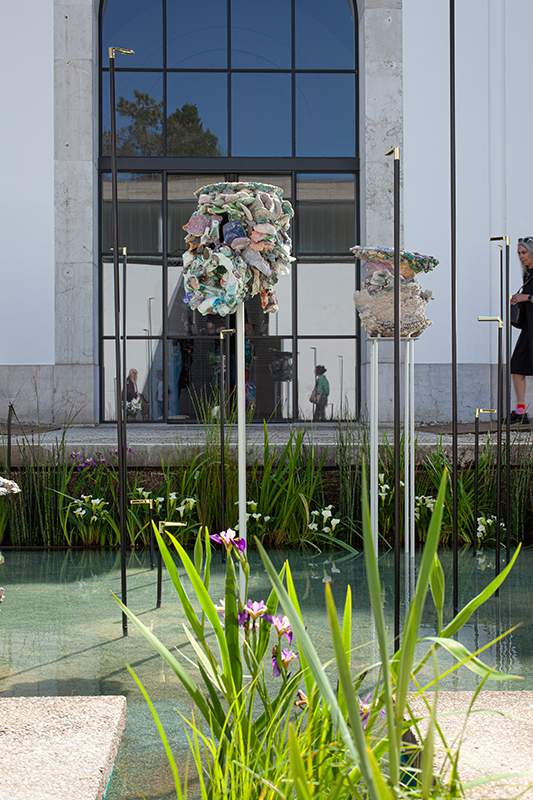
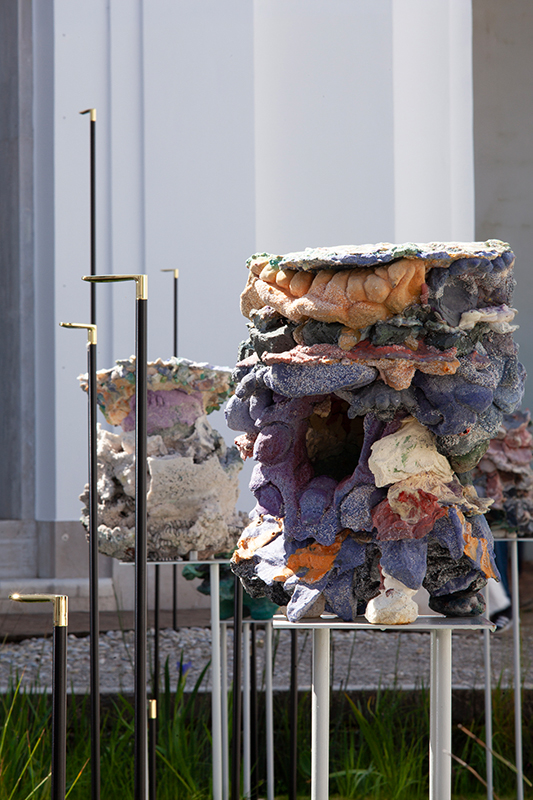
Alberto Scodro’s EMERSASOMMERSA originates from a reflection on the submerged dimension of the city: what supports Venice yet normally remains invisible, hidden beneath the water surface, within the sedimentations of the lagoon and within the material and temporal stratifications that have contributed to shaping its identity over centuries. Through works from the UG (Untitled Glass-Sand) series, Scodro constructs a landscape suspended between natural and artificial dimensions, evoking mineral concretions, organic formations and fragments that seem to slowly emerge from the Venetian underground. Sands, glass, pigments and heterogeneous materials aggregate into forms reminiscent of geological structures, aquatic organisms and surfaces shaped by time, water and pressure. The installation conveys a vision of matter as a living organism in continuous transformation, where past and present coexist within a fragile and mutable balance. Venice thus appears not as a monumental image or an immutable scenography, but as a stratified city crossed by invisible memories, slow mutations and deep relationships between nature, architecture and time.
A STRATIFICATION OF LANGUAGES
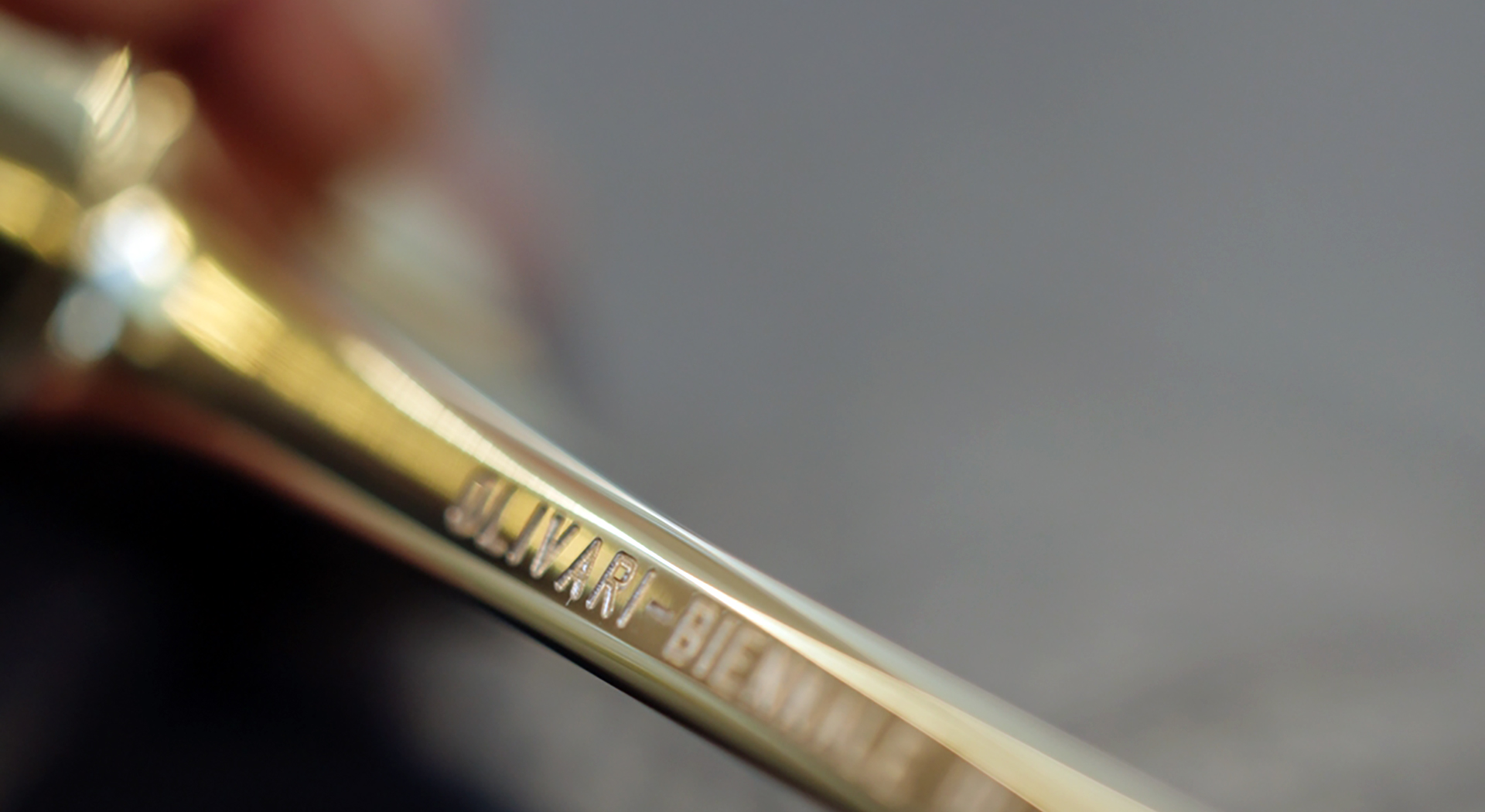
At Biennale Arte 2026, Olivari door handles enter Alberto Scodro’s project as fragments of a cultural stratification built over time through dialogue with architects and designers from different eras and sensibilities. Not a single language, but a plurality of interpretations of the act of opening, through which the handle becomes a point of connection between body, space and architecture. Within the installation, the collections coexist as traces belonging to different times: rigorous forms, sculptural signs, essential surfaces and design gestures expressing different ways of understanding architecture and its relationship with matter. In dialogue with Scodro’s research, these presences become fragments of a landscape suspended between natural and artificial dimensions, where gesture, space and matter interact within a single visual narrative.
THE ACT OF OPENING
The handles selected for the installation represent different interpretations of the same gesture: opening. Each project introduces a distinct relationship between hand, space and architecture, transforming a functional object into a device of connection, passage and discovery. Alongside historical projects linked to the masters of the twentieth century coexist contemporary interpretations capable of expressing geometric rigour, essentiality, formal research and a more tactile or sculptural relationship with matter, composing a stratification of visions that reflects the continuous evolution of Olivari’s design culture. The selection spans different eras and languages within Olivari’s history, bringing together Garda by Ignazio Gardella, Lama by Gio Ponti, Icona by Vincent Van Duysen, Paddle by Barber & Osgerby and Brera by Antonio Citterio. Collections conceived in different moments yet united by their ability to interpret the relationship between gesture, form and architecture through autonomous and recognisable design sensibilities. Within Alberto Scodro’s installation, these handles symbolically become access points between different worlds: between visible and invisible, artifice and nature, industrial matter and organic transformation. Through the everyday gesture of opening, the object transcends its functional role and takes on a broader meaning of relationship and passage.
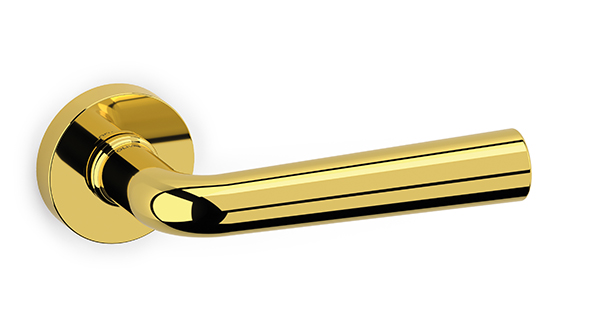
GARDA Ignazio Gardella, 1951
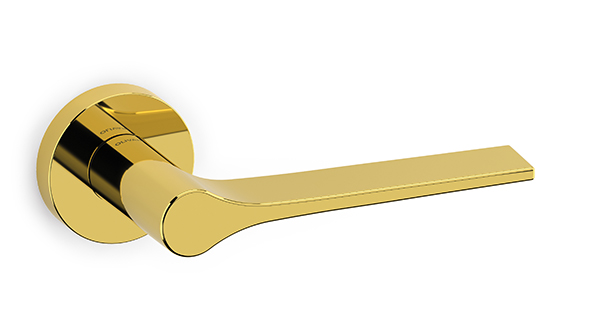
LAMA Gio Ponti, 1956
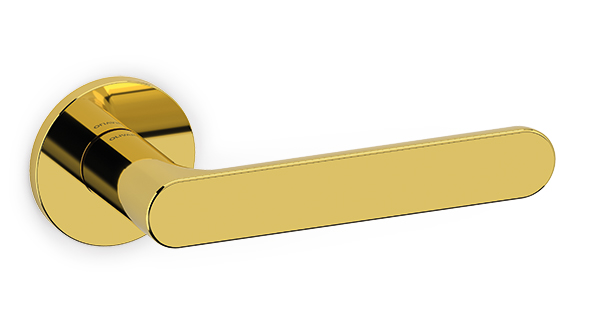
ICONA V. Van Duysen, 2018
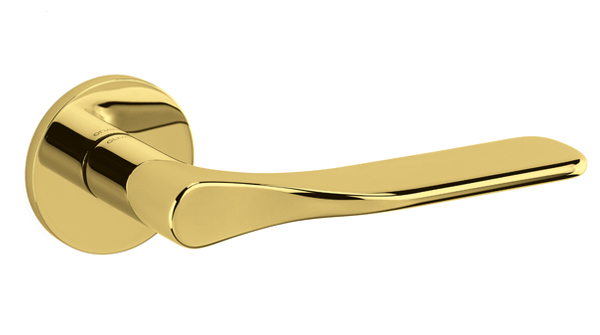
PADDLE Barber Osgerby, 2022
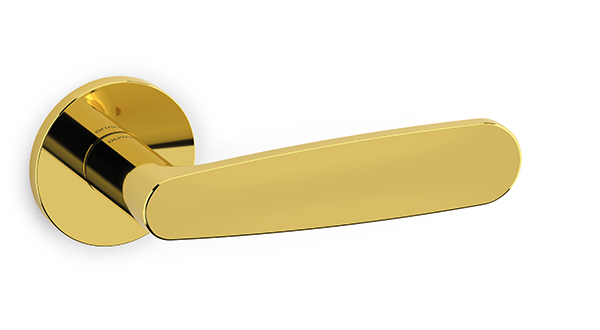
BRERA Antonio Citterio, 2025